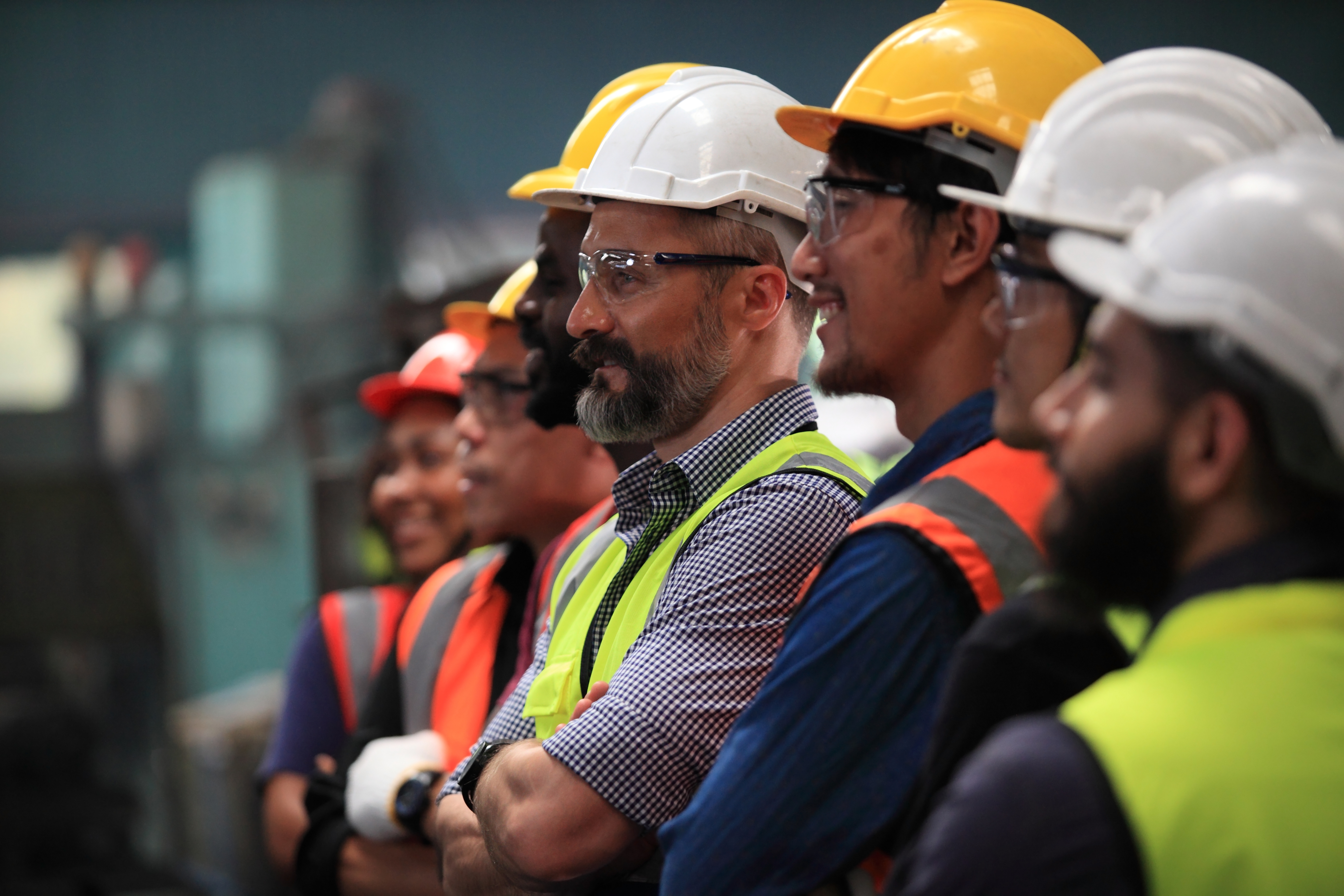
Training & Supervision Management
This month’s toolkit addresses one of the most common upstream causes of serious incidents: assumed competence and ineffective supervision.
In electrical work, incidents rarely occur because someone doesn’t care or doesn’t know. They occur when:
- supervision becomes fragmented or stretched;
- apprentices, trades assistants, or licensed workers are trusted to “just get on with it”;
- training is treated as a one-time event instead of a safety control;
- experience replaces verification.
The May toolkit is designed to challenge those assumptions - before they turn into incidents.
What's included in the may toolkit
- four New Risk Focus Toolbox Talks
- each toolbox talk follows the Risk Focus standard - a realistic case study, structured discussion, clear non-negotiables, and a direct link back into your management systems.
Toolbox Talk 1: Electrical Apprentice Supervision
A confronting case study examining a fatal roof space incident to unpack how supervision fails under pressure - even when procedures exist.
Key focus areas: what “supervision” actually means in practice, supervision levels and legal responsibility, stopping work when supervision cannot be maintained, PCBU and licensed supervisor accountability.
Toolbox Talk 2: Electrical Testing and Safety Training - Why Refreshers Matter
Explores competence fade, shortcuts, and the dangerous assumption that experience equals ongoing capability - using a real world testing and verification failure.
Key focus areas: testing and verification as critical risk controls, refresher training as a preventative control, field audits as prevention - not blame, supervision of experienced workers.
Toolbox Talk 3: Trades Assistants - Scope, Supervision and Legal Risk
Clarifies the strict limits of Trades Assistant roles and exposes the legal and safety consequences of scope creep.
Key focus areas: what Trades Assistants can and cannot do, direct supervision requirements, preventing unlicensed electrical work, PCBU and supervisor liability.
Toolbox Talk 4: Top 10 Post Trade Training Courses for Electro Tradies to Excel
This session reframes training as a core supervision and risk control, not just a career development option. Using a realistic commercial site case study, it highlights how gaps in post-trade training increase risk when work becomes more complex and scrutiny increases.
- Key focus areas: why licensing is only a minimum entry point, training as part of supervision and due diligence, reducing reliance on assumptions about capability, aligning training pathways to the actual risk profile of work, supporting safer decisions, stronger leadership, and compliance in higher risk environments.
This toolbox helps businesses move beyond “Are our people licensed?” to the more important question:
“Are our people capable of the risks they are actually exposed to?”
Advice & Support
Our NECASafe team specialise in the electrical industry to assist our members with their questions and challenges. For more information or assistance in conducting NECA's Toolbox Talk submit your enquiry.